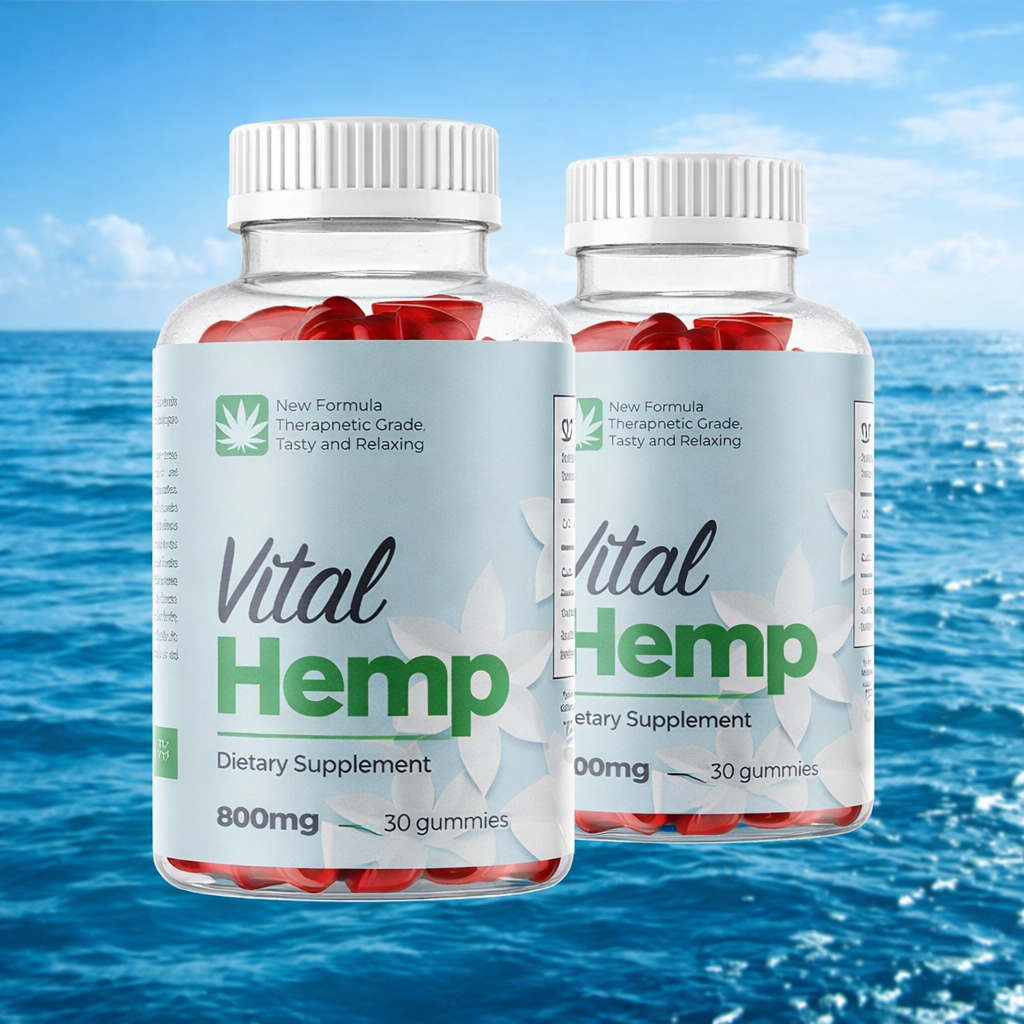
Hemp gummies have attracted attention from people looking for convenient wellness supplements, but their legal status in New Zealand depends on what they contain, how they are classified, and how they are sold or imported. While certain hemp-seed products are permitted as food, products containing cannabidiol (CBD) or other cannabis-derived extracts can be subject to different and stricter requirements.
This distinction is important for anyone considering buying hemp gummies online. A product advertised as natural, vegan, THC-free, or legal in another country does not automatically meet New Zealand’s requirements.
Understanding the difference between hemp seed oil, hemp extracts, CBD, and THC is the first step towards making an informed purchasing decision.
Are Hemp Gummies Legal in NZ?
The answer depends on the ingredients and regulatory classification of the product. New Zealand permits certain low-THC hemp-seed products as food, subject to specific requirements. However, this permission should not be interpreted as a blanket approval for all gummies made with hemp or cannabis-derived ingredients. New Zealand’s Ministry for Primary Industries (MPI) explains the rules governing hemp seeds as food.
For consumers, there are three important distinctions.
- Hemp-seed food products: Certain products made from low-THC hemp seeds may be sold as food when they satisfy applicable food standards.
- CBD products: CBD products are regulated as medicinal products in New Zealand. The Ministry of Health states that medicinal cannabis products are available on prescription, and Medsafe restricts personal imports of products containing CBD.
- Hemp-extract products: Products containing ingredients such as full-spectrum hemp oil may be subject to medicinal product requirements rather than being treated as ordinary foods.
These categories are not interchangeable. Checking the actual formulation is more useful than relying solely on the term “hemp gummies” used in a product’s marketing.
What Is the Difference Between Hemp Seed Oil, Hemp Oil, CBD, and THC?
Product labels sometimes use similar terminology for ingredients that have different compositions and regulatory implications.
Hemp Seed Oil
Hemp seed oil is made from hemp seeds and is used in food products. It is different from oil extracted from other parts of the hemp plant or from cannabinoid-rich extracts.
Under New Zealand’s applicable food standards, hemp seed oil can qualify as food when it meets the relevant requirements, including limits on THC content. The permitted level for hemp seed oil is no more than 10 mg/kg of total THC, and only cannabinoids naturally present in or on the source seeds may be present under the relevant seed-product provision.
A gummy made with a permitted hemp-seed ingredient may potentially qualify as a food, but the finished product must still comply with all applicable requirements.
CBD (Cannabidiol)
CBD is a cannabinoid associated with cannabis and hemp. Unlike ordinary hemp seed oil, CBD is subject to New Zealand’s medicinal product framework.
According to Medsafe’s guidance on importing medicines, products containing CBD are treated as prescription medicines when imported, and individuals cannot personally import CBD products through ordinary overseas online purchases. The authorised supply route involves a New Zealand-registered medical practitioner or a New Zealand pharmacy importing the product on the practitioner’s behalf.
Consequently, a CBD gummy sold without a prescription in another country should not automatically be considered suitable for purchase and import into New Zealand.
THC (Tetrahydrocannabinol)
THC is a cannabinoid associated with the intoxicating effects of cannabis. New Zealand’s rules address THC content in permitted hemp-seed foods and regulate medicinal cannabis products separately.
A product’s advertised THC level is relevant, but it does not determine its entire legal status. A product advertised as THC-free may still contain CBD or other hemp extracts that require separate consideration under New Zealand law. Consumers should review ingredient information and any available laboratory testing rather than relying exclusively on advertising claims.
What Are New Zealand’s Rules for Hemp Gummies as Food?
The Australia New Zealand Food Standards Code permits certain low-THC hemp seeds and products derived from them to be used in food. This permission is subject to defined ingredient and THC requirements.
The relevant provisions specify the following maximum total THC levels for permitted hemp-seed food products:
| Product category | Maximum total THC |
|---|---|
| Hemp seeds | 5 mg/kg |
| Hemp seed oil | 10 mg/kg |
| Beverages derived from hemp seeds | 0.2 mg/kg |
| Other permitted products derived from hemp seeds | 5 mg/kg |
The applicable standard also requires the cannabinoids in these seed-derived products to be those naturally present in or on the source seeds. These limits are not a general allowance for adding CBD or other cannabis extracts to food.
For a gummy manufacturer or importer, the source of the ingredient therefore matters. A gummy manufactured using a permitted hemp-seed ingredient needs to be assessed differently from one formulated with CBD isolate, hemp leaf extract, flower extract, or full-spectrum hemp oil.
Food businesses must also meet applicable registration, food safety, labelling, and other legal requirements. MPI states that businesses growing, processing, or selling hemp for food use must register as food businesses, while hemp-seed food importers must register as food importers.
Can Hemp Gummies Make Health Claims?
Food regulations also restrict how hemp-seed food products can be marketed. The relevant provisions prohibit representations suggesting psychoactive effects and restrict certain CBD-related health and nutrition claims.
This means a food product cannot simply be marketed with medicinal or therapeutic claims because it contains a hemp-derived ingredient. The applicable requirements depend on the product’s composition and classification.
Can You Buy CBD or Hemp Gummies From an Overseas Website?
Buying a product online and having it delivered to New Zealand can raise different legal questions from purchasing a compliant food from a local retailer.
Medsafe specifically states that personal imports of CBD products are not allowed. Its guidance also distinguishes compliant hemp seed oil from products containing hemp extracts such as “hemp oil” and “full-spectrum hemp oil.” Such hemp-extract products are treated as prescription medicines when imported, and cannot be imported through ordinary personal online orders.
For medicinal cannabis, the Ministry of Health states that products are available on prescription and warns against ordering them from overseas for delivery to New Zealand. The recognised route is through an appropriate authorised prescriber and pharmacy.
Before ordering a product advertised as hemp gummies, consumers should therefore establish:
- Whether the product contains hemp seed oil, CBD, or another hemp extract.
- Whether the product is classified as food or as a medicinal product.
- Whether its composition and labelling comply with New Zealand requirements.
- Whether its sale, supply, and delivery to the intended recipient are lawful.
A seller’s willingness to ship a product to New Zealand does not, by itself, establish that the import is permitted.
Did New Zealand’s 2026 Hemp Law Changes Make All Hemp Products Legal?
New Zealand changed aspects of its hemp regulations on 28 May 2026. MPI explains that the changes allow hemp cultivation, use, and supply without a licence in the circumstances covered by the amended rules. Hemp is defined by reference to a THC content of no more than 1% of the plant’s dry weight, or seeds harvested from plants meeting that definition.
However, these changes should not be interpreted as blanket permission to sell or import every hemp-derived consumer product.
The rules governing hemp cultivation and supply are separate from the food standards governing hemp-seed ingredients and the medicinal product requirements applying to CBD and certain hemp extracts.
In practical terms, the changes to hemp cultivation rules do not eliminate the need to establish whether a finished gummy complies with the relevant food, medicine, import, and labelling requirements.
How Can Consumers Check Whether Hemp Gummies Are Legal in NZ?
The most useful starting point is the product’s full ingredient list and the information available from the manufacturer or importer.
If the product contains only hemp-seed-derived ingredients, check whether the formulation qualifies under the applicable food standards and whether the finished product meets all relevant requirements.
If the label mentions CBD, cannabidiol, full-spectrum hemp oil, hemp extract, or other cannabis-derived ingredients, do not assume that it qualifies as an ordinary food supplement. Consult the relevant Ministry of Health and Medsafe guidance before purchasing or importing it.
It is also worth checking whether the seller provides a detailed ingredient specification and independent laboratory testing. These documents can help establish what the product contains, although they do not independently establish that it is legal to import or sell in New Zealand.
Where the classification remains unclear, consumers and businesses can contact Medsafe regarding medicine and import requirements or MPI regarding hemp and food requirements.
Frequently Asked Questions About Hemp Gummies in NZ
Are hemp gummies legal in New Zealand?
Some hemp-seed-based gummies may qualify as lawful food products if they meet all applicable requirements. CBD gummies and products containing certain hemp extracts are subject to different rules. The product’s ingredients and legal classification determine which requirements apply.
Are THC-free hemp gummies legal in NZ?
Not necessarily. THC-free status alone does not establish legality. The product may still contain CBD or other hemp extracts subject to medicinal product and import requirements.
Is hemp seed oil legal in New Zealand?
Hemp seed oil can be used in food when it complies with the applicable New Zealand food standards. Its composition, THC concentration, and intended use must meet the relevant requirements. Hemp seed oil should not be confused with full-spectrum hemp oil or cannabinoid-rich extracts.
Can I order CBD gummies from overseas?
Medsafe states that personal imports of CBD products are not allowed. CBD products are subject to New Zealand’s medicinal product framework and must be obtained through the appropriate authorised channels. An overseas seller offering international shipping does not change these requirements.
Are hemp gummies legal if they contain no CBD?
A product without CBD is not automatically legal. Its other ingredients, THC content, source materials, intended use, and regulatory classification still matter. A compliant hemp-seed food product may be treated differently from a gummy containing extracts from other parts of the plant.
Where can I find official information about hemp product regulations?
The most relevant sources are the New Zealand Ministry for Primary Industries for hemp-seed food requirements, the Ministry of Health for medicinal cannabis rules, and Medsafe for medicine import restrictions.
Final Thoughts: Check the Ingredients Before Buying Hemp Gummies in NZ
New Zealand’s regulations distinguish between permitted hemp-seed foods and products containing CBD or certain other hemp extracts. Although the 2026 changes relaxed specific hemp cultivation and supply requirements, they did not create blanket approval for every hemp-derived gummy.
For consumers, the most reliable approach is to examine the full ingredient list, verify the product’s classification, and check the applicable New Zealand food, medicine, and import requirements before placing an order.
The key takeaway: Hemp gummies may be lawful in New Zealand under the right conditions, but the name “hemp gummies” and claims such as “natural” or “THC-free” are not enough to establish that a particular product can legally be sold or imported.
